
A custom home can have beautiful finishes and the latest technology, but without the right cabling plan behind the walls, homeowners may be left with weak Wi-Fi, missing network connections, poorly placed outlets, or expensive changes after construction is complete. The same problems can affect light-commercial projects, where something as simple as a conference room without a data jack or cabling that fails inspection can turn an otherwise successful build into an expensive do-over. Homeowners, builders, and facility managers in and around Aberdeen, NC, can sidestep that headache by bringing in GenSmart USA for telecommunications design and inspection, pairing a sound plan up front with a thorough review of the finished job.
In Aberdeen, NC, GenSmart USA operates as a communications infrastructure contractor that plans and evaluates cabling, fiber, and wireless systems for residential and commercial clients, including healthcare organizations, government agencies, and houses of worship. Our offerings cover custom communications layouts, cabling and fiber system blueprints, equipment room designs, evaluations of existing networks, and independent reviews confirming that completed installations meet quality and code requirements. BICSI, the organization that trains and credentials professionals across the connectivity industry, awarded our lead designer, John Babb, its Registered Communications Distribution Designer (RCDD) certification. His telecommunications career also includes more than 15 years of military and commercial work.
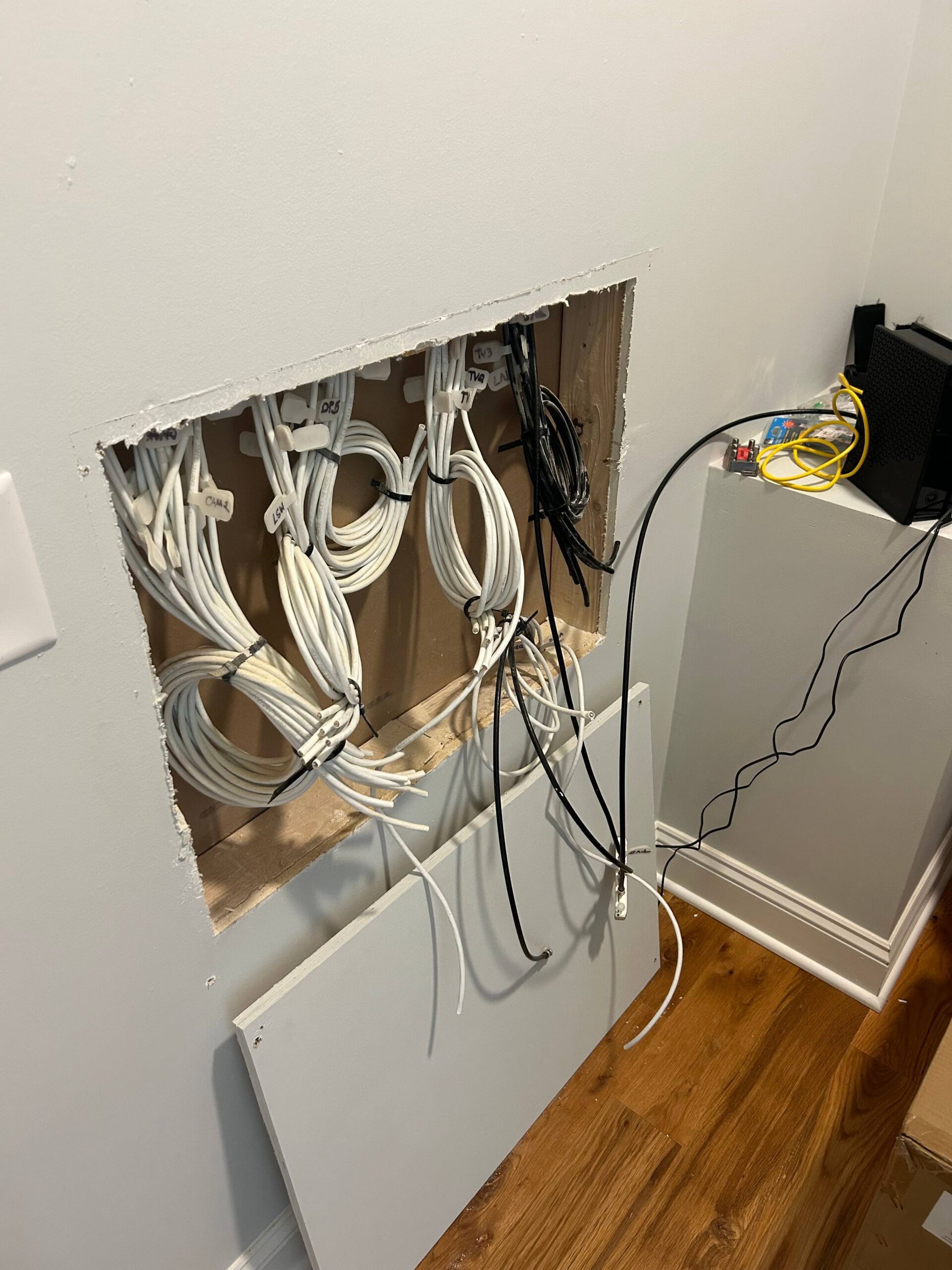
Move-in week at a brand-new insurance office in Southern Pines ought to be a celebration, but the staff quickly discover that half their desks sit nowhere near a data jack. Bright orange patch cables now snake across the carpet, and the network switch shares a closet with the water heater.
The architect's drawings showed a handful of outlets and a storage nook with a "data" note beside it, and left the rest to chance. Once the walls went up, the telecommunications contractor on the job had to guess where the furniture would end up, and nobody weighed what the warm, damp air would do to the electronics.
Our telecommunications design process for a space like this starts on paper, well before construction begins. After sitting down with the owners to sketch out where every desk, printer, and screen belongs, we pin down jack locations, cable routes, and a cool, dry spot for the network gear.
A follow-up visit after installation lets us confirm everything lines up with those drawings.
Thanks to a well-designed setup, each desk plugs directly into a nearby jack, and those tripping hazards disappear from the carpet. The switch sits safe and dry in a dedicated closet, leaving the agency free to focus on its clients.
Our team provides planning and inspection services that help property owners and project teams understand, coordinate, and evaluate their communications infrastructure.
A county records office, a veterinary clinic, and a lakefront home in Seven Lakes each ask very different things of their technology. Once we understand how you operate today and where you hope to grow, we shape a layout for phones, internet, Wi-Fi, cameras, and door access to match your needs. Mapping those systems out side by side keeps them from fighting over the same pathways later on.
Before you sink money into an upgrade, it helps to know what's hiding above the ceiling tiles and behind the network rack. As your telecom design consultant, we document the existing cabling and hardware, evaluate the performance of key components, and note any items that no longer meet current standards. Our recommendations then match those findings to your goals and timeline.
Small slip-ups, like a jack wired to the wrong color pattern or a cable bent tighter than its rating allows, can quietly drag down performance for months. During these inspections, we measure the workmanship against applicable codes, your specifications, and industry standards. Anything that misses the mark goes on a to-do list the crew can tackle before everyone packs up.
Projects that call for RCDD telecommunications design land with John Babb, our very own Registered Communications Distribution Designer. His training spans cable routes, electrical needs, grounding, and equipment spaces, giving your design a well-rounded foundation.
Behind each wall jack lies a cable route that should be planned in advance. With our telecommunications infrastructure design service, the drawings show where copper and fiber run, how many connections each room gets, what supports hold the cables up, and how floors or neighboring buildings connect. Detailed documents like these leave far fewer judgment calls on site.
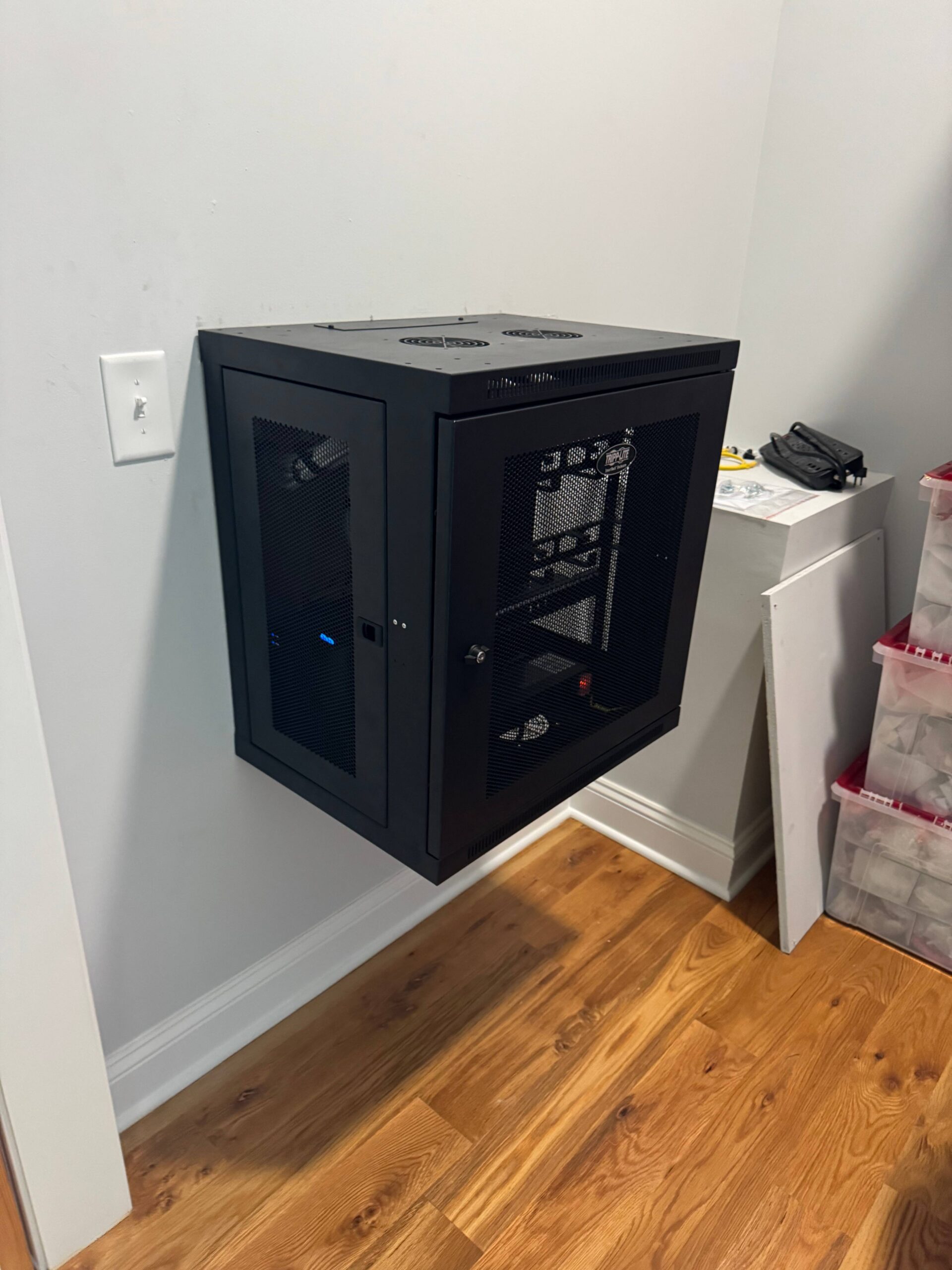
Where your equipment hub sits matters as much as what goes inside it. A central location keeps cable runs short, and distance from plumbing and sun-baked exterior walls protects the hardware from heat and moisture. We also account for door locks, sturdy mounting boards, and ample clearance for technicians and future additions.
Paying another company for a finished job feels much better once an independent telecommunications inspection confirms that the system matches your design and contract. While walking the site, we review cable routes, terminations, labeling, and network closets against the design documentation. You'll get plain-language notes to share with the original contractor or your builder.
When a property needs a solid foundation for its communications network, we provide structured cabling installation tailored to the building and its intended use. We work with Cat6, Cat6A, and other data cabling, along with pathways, terminations, telecom rooms, and equipment racks to keep everything properly connected and organized.
For facilities that need to move large volumes of data over long distances, we provide fiber-optic cabling and installation for both indoor and outdoor applications. Our work can include OSP (outside plant) cabling, interbuilding connections, fiber pathways, and terminations for campuses, facilities, and other properties.
Dead zones and weak signals can make even a fast internet connection frustrating to use, so we approach mesh Wi-Fi design and installation with the entire property in mind. We plan access point locations and wireless coverage to create a connected network throughout homes, larger residences, and whole properties.
Building a new home with multiple network connections? Our residential networking equipment design and installation services integrate routers, switches, and wireless access points with the home's structured cabling.
Solid plans and trustworthy inspections come down to expertise, and ours comes from some pretty rare credentials.
Our crew can install whatever we draw up, so nothing gets lost between paper and the finished network.
Dozens of high-visibility projects over our lead designer's career have prepared us to size up a small clinic expansion or a multi-building government campus with equal care.
Because John holds the RCDD certification, our drawings and inspection reports rest on industry knowledge that stands up to scrutiny.
Few inspectors can say they wrote the rulebook the U.S. Army Reserve follows for telecommunications infrastructure, and John's insider perspective helps us spot trouble that might otherwise slip by.
Ideally, telecommunications design kicks off during architectural planning, right alongside electrical and mechanical design. Starting early lets the designer reserve space for telecommunications rooms, map cable pathways, and coordinate conduit and power before walls and ceilings take shape. Projects that wait until construction is underway often run into change orders, cramped equipment rooms, and cable runs that exceed recommended lengths.
Typical assessments walk through your existing cabling, pathways, telecommunications rooms, racks, grounding, and labeling to spot outdated components, code issues, and anything that's still in good shape. Cable testing or a records review often rounds out the process and reveals whether the system has enough capacity left for future growth. You'll usually receive a written report that prioritizes fixes and upgrades, giving healthcare facilities, government offices, churches, and businesses a clear plan for budgeting.
RCDD stands for Registered Communications Distribution Designer, a credential BICSI awards to professionals who meet demanding experience requirements and pass a rigorous exam on telecommunications design. These designers know the industry standards for cabling, pathways, telecommunications rooms, and grounding inside and out. Government agencies, healthcare systems, and large commercial projects frequently require an RCDD to design or approve their telecommunications infrastructure.
Code requirements in North Carolina build on the National Electrical Code, which includes communications articles spelling out how installers must run, protect, and ground network cabling. Beyond code, most professional designs follow the Telecommunications Industry Association's national standards for cabling, pathways, labeling, and bonding, as well as a widely used design manual from the industry's leading professional association. A qualified telecommunications inspector measures your installation against all of these, plus any requirements the owner or architect wrote into the project specs.
An independent inspector has no stake in the installation, so you get an unbiased look at whether the contractor followed the design, specifications, and industry standards. Spotting issues like sloppy terminations, overfilled pathways, missing labels, or failed tests before final sign-off spares you expensive fixes after move-in. Property owners, general contractors, and facility managers across North Carolina lean on these inspections to protect their investment in larger projects.
FAQs reviewed by John Babb, lead designer and technician at GenSmart USA, a certified telecommunications contractor.
A second opinion before construction or after the cables go in can spare you money, time, and plenty of frustration. Our door's always open whenever you want to chat about what's on the drawing board or what's already behind your walls.
Business Name: GenSmart USA
Address: Aberdeen, NC, 28315
Phone: 910-514-8753
Business Hours:
Mon - Fri: 08:00 AM to 06:00 PM
Sat-Sun: Closed
For subscription users, emergency service is provided
Call us for financing options
For subscription users, 5% off of labor work. Diagnostic fee is waived for subscription users. Installation work comes with free one-year subscription.
'Generac' only systems and only for subscribers